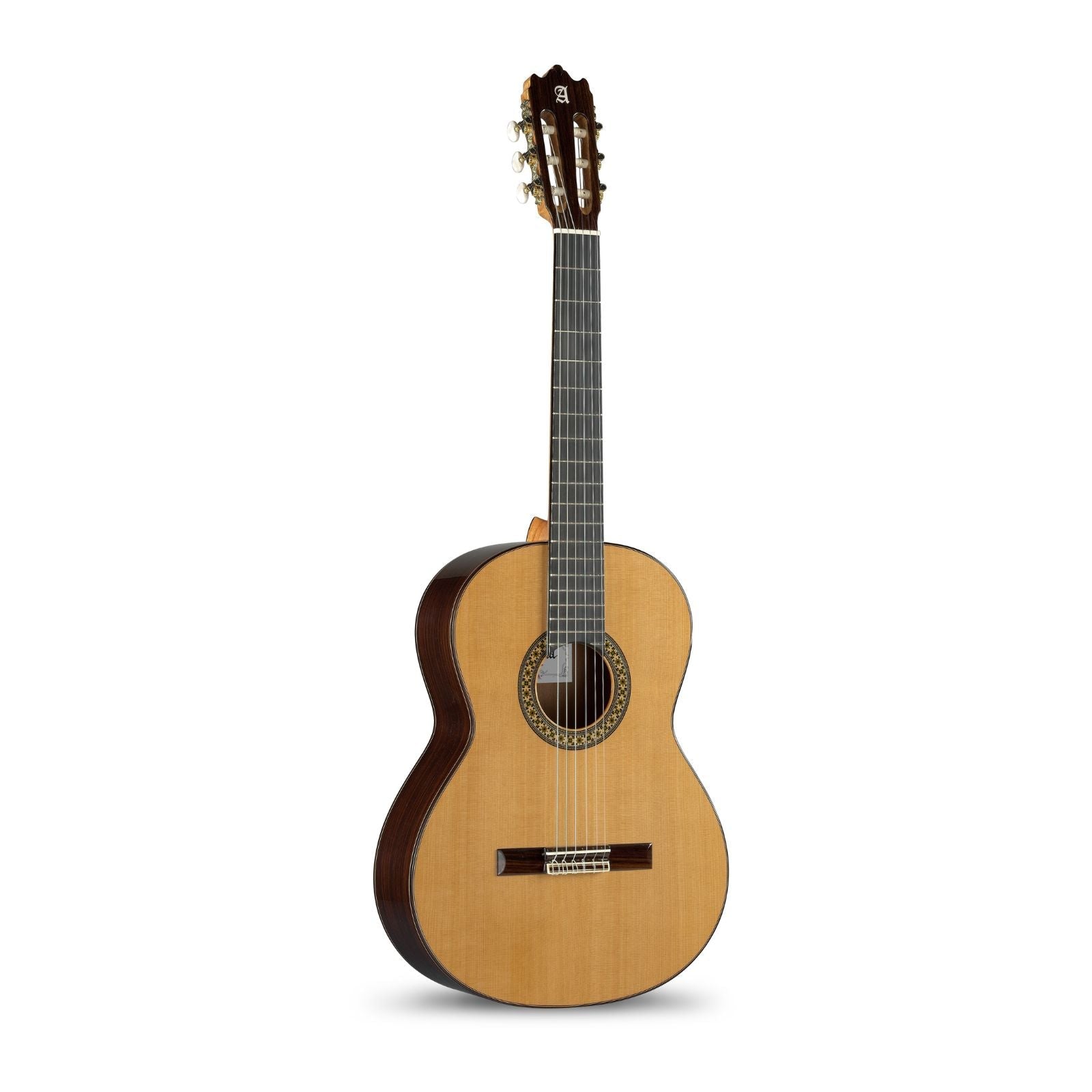
Article: Alhambra 4P: Technical Analysis of the Advanced Classical Student Guitar for Conservatories
Alhambra 4P: Technical Analysis of the Advanced Classical Student Guitar for Conservatories
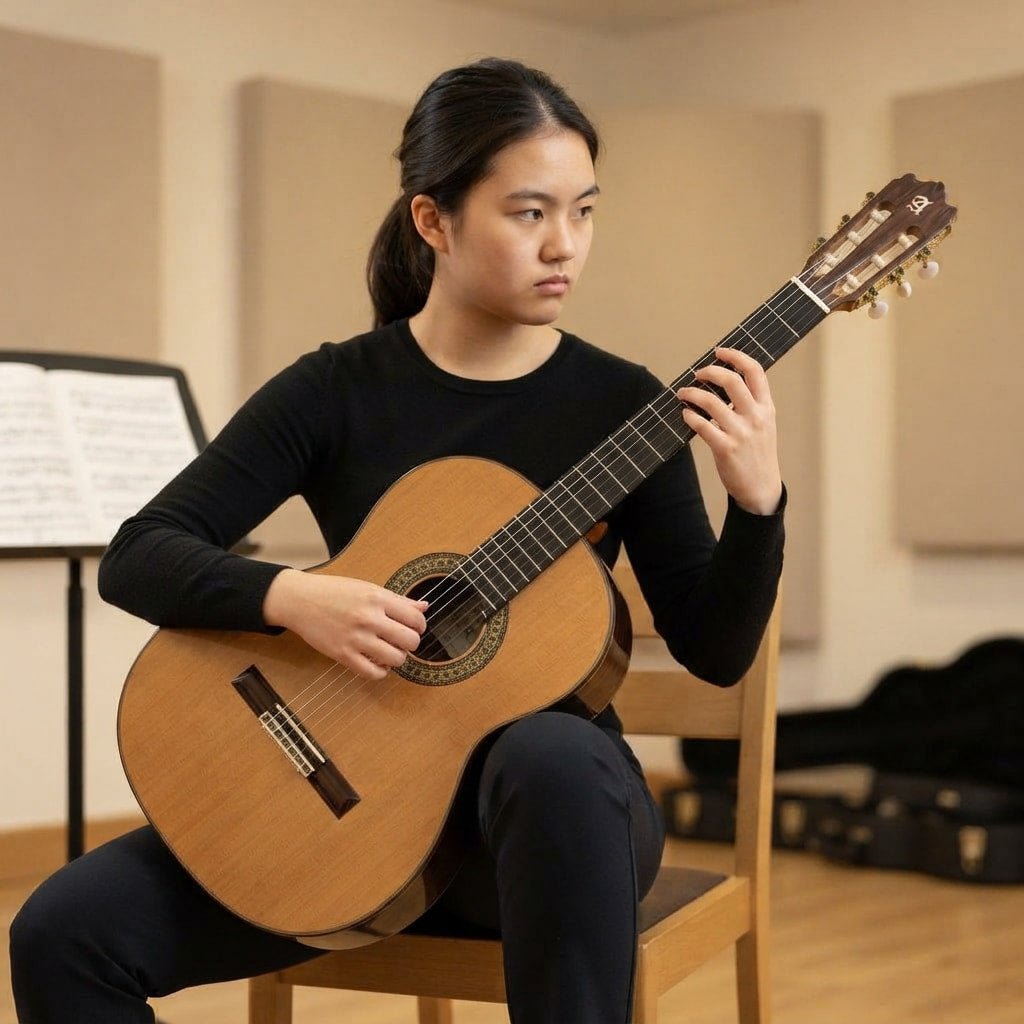
The transition to the intermediate or professional grade at the conservatory (usually between ages 13 and 17) marks a critical turning point for the classical guitar student. Daily practice volume shifts from 30 minutes to sessions lasting 2 to 4 hours. In this scenario, entry-level guitars (grades 1C to 3C) fall short both in dynamic response and physical resistance to wear and tear.

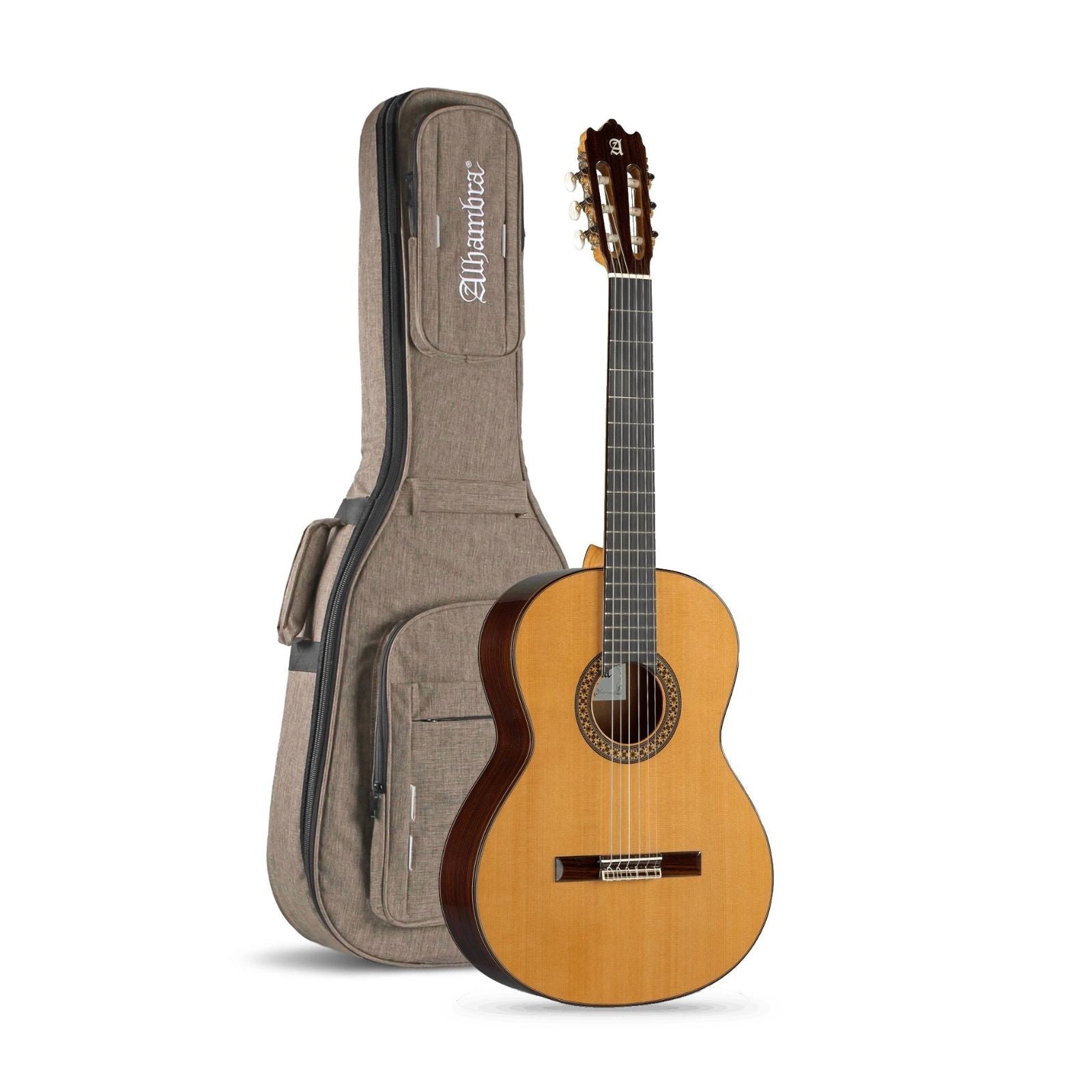
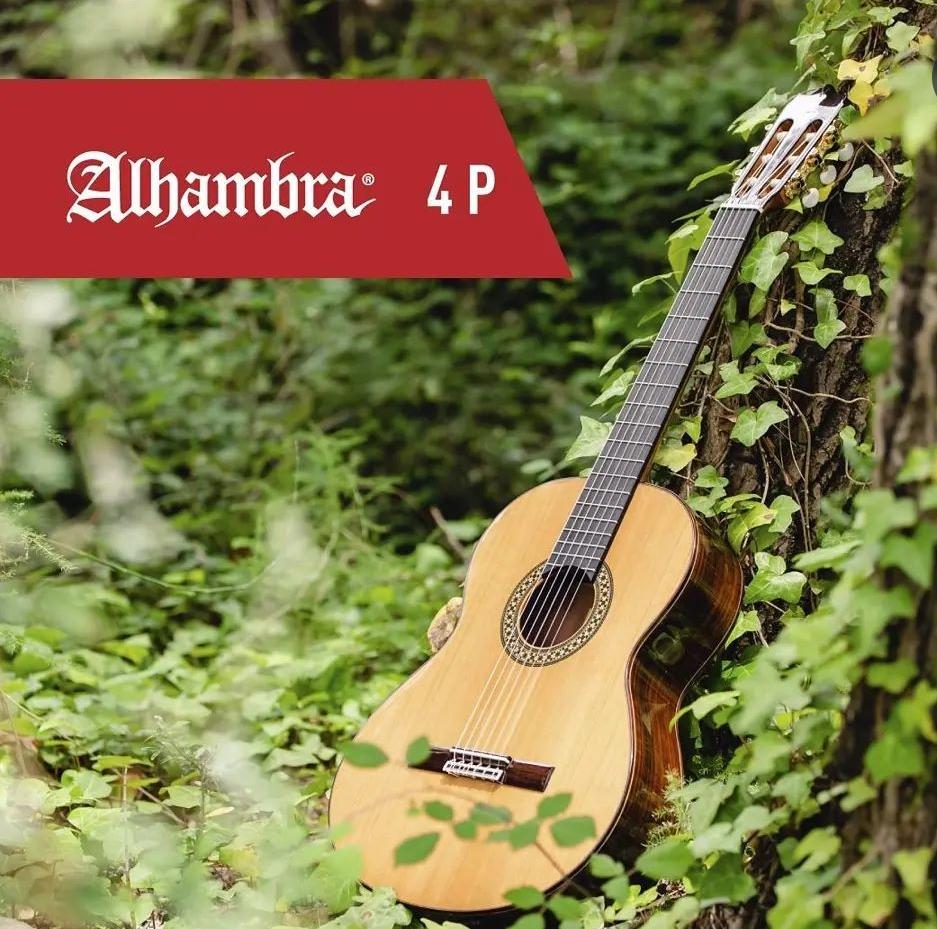
The Alhambra 4P has historically established itself in professional conservatory curricula as the benchmark standard in the €700 to €800 price range. But what are the technical and constructive reasons that justify this unanimous recommendation by teachers? We analyze its specifications in detail.
Technical Specifications: Transition Comparative Table
To understand the qualitative leap compared to lower ranges, examine the evolution of structural components:
| Technical Specification | Alhambra 3C (Advanced Entry-Level) | Alhambra 4P (Intermediate Study / Conservatory) | Direct Impact on Performance |
|---|---|---|---|
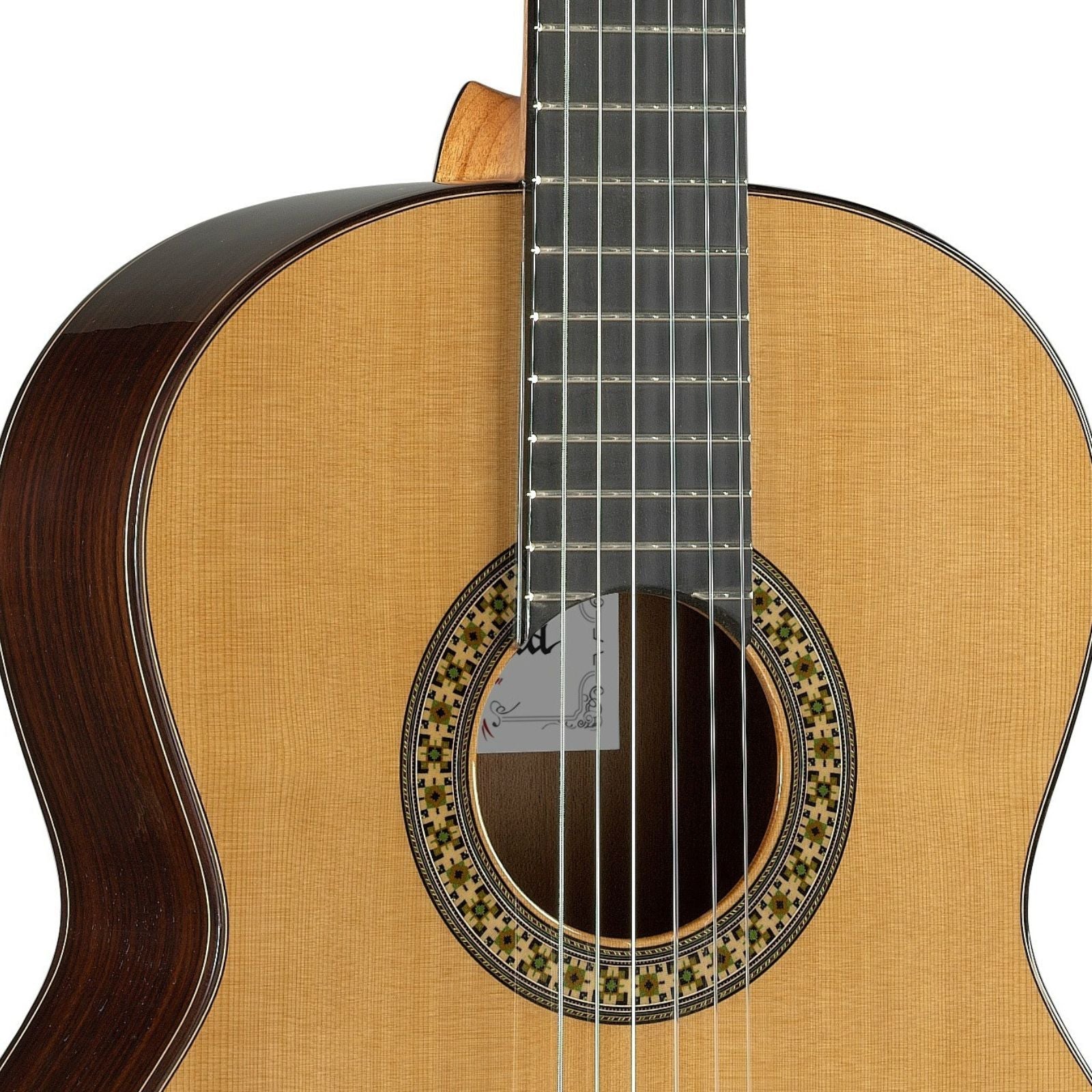
| Soundboard | Solid "A" Cedar (or optional German Spruce) | Solid "AA" Cedar (or optional German Spruce) | Greater dynamic range (pianissimo to fortissimo) and superior projection. |
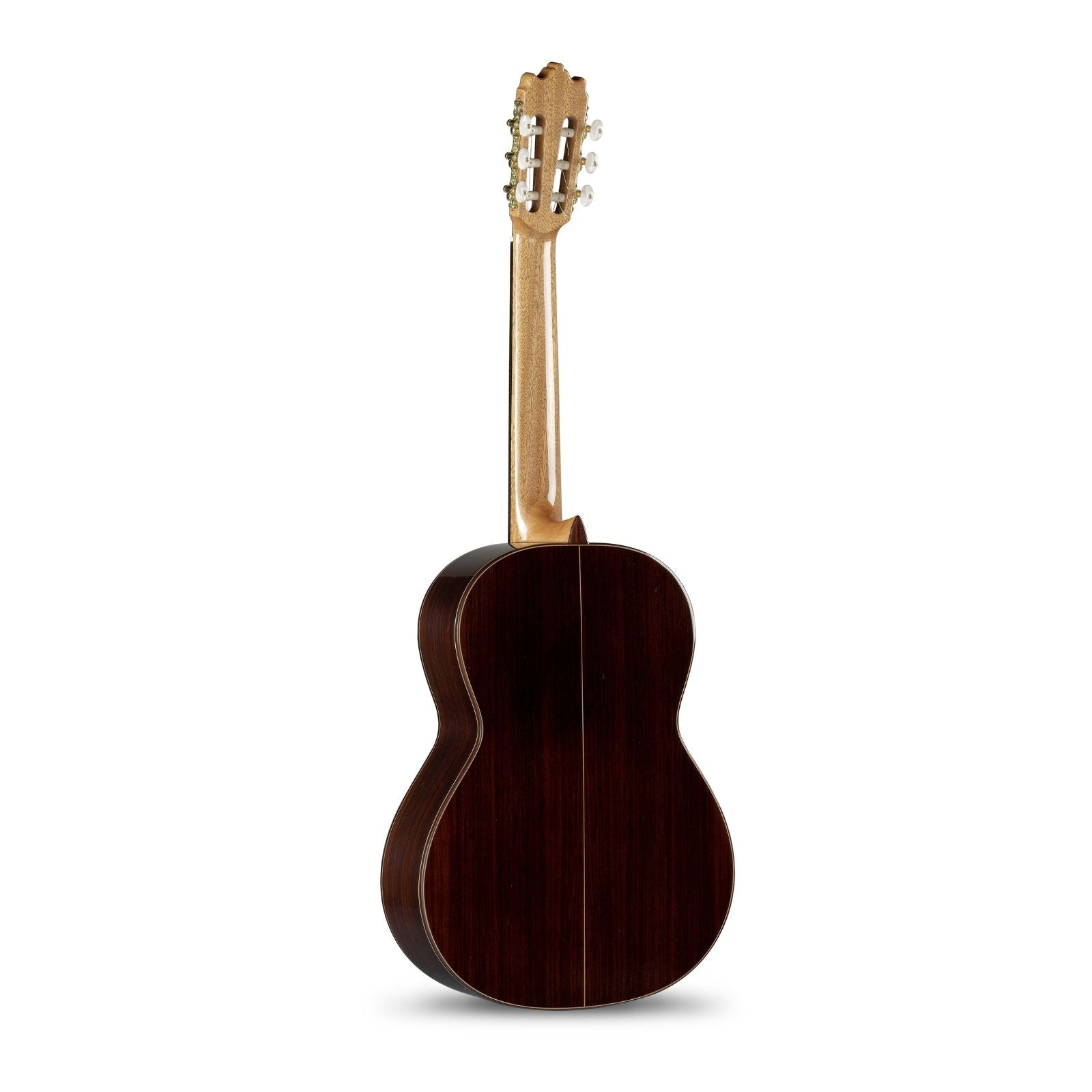
| Back and Sides | Sapele | Indian Rosewood (Dalbergia Latifolia) | Deeper lows, rounded highs, and greater harmonic richness. |
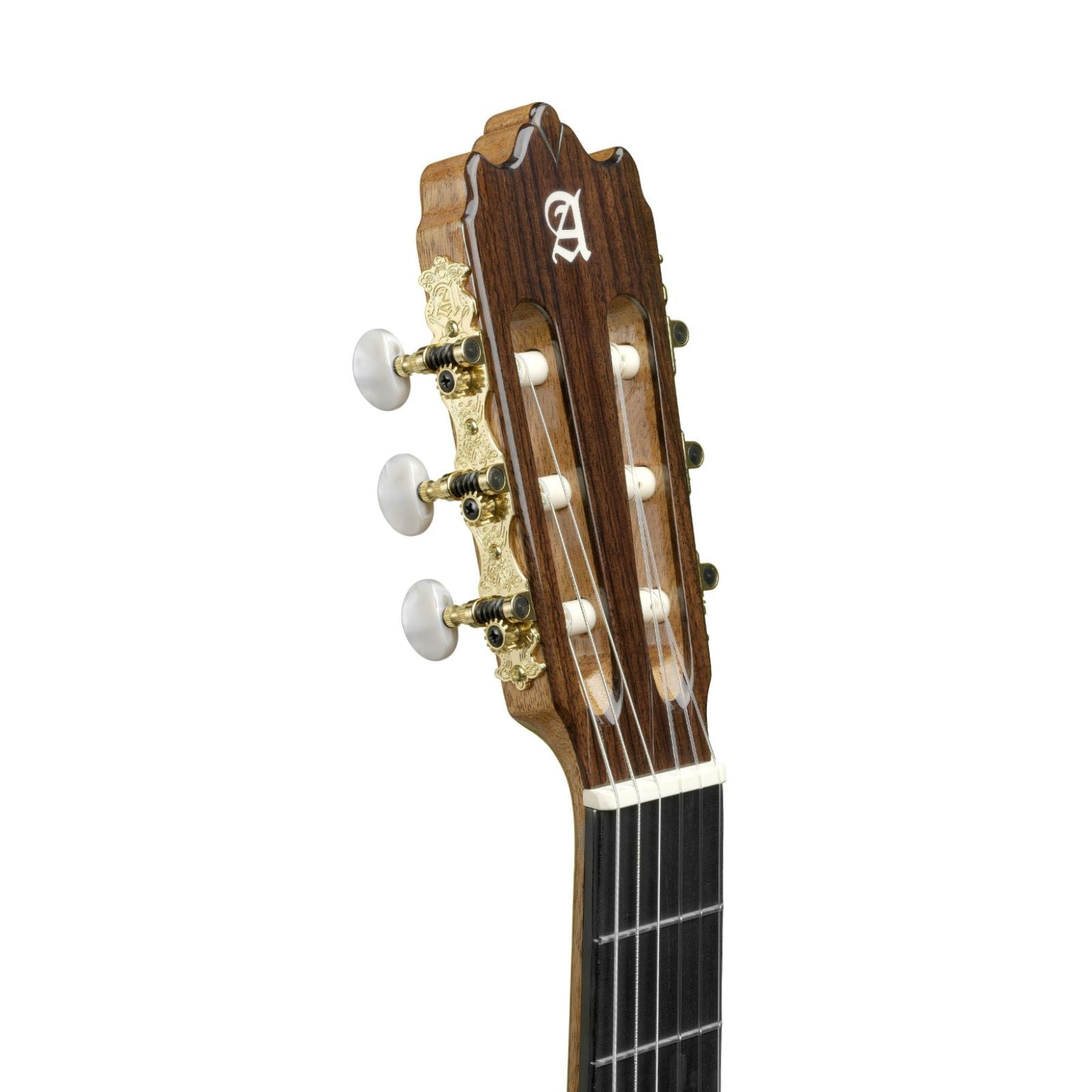
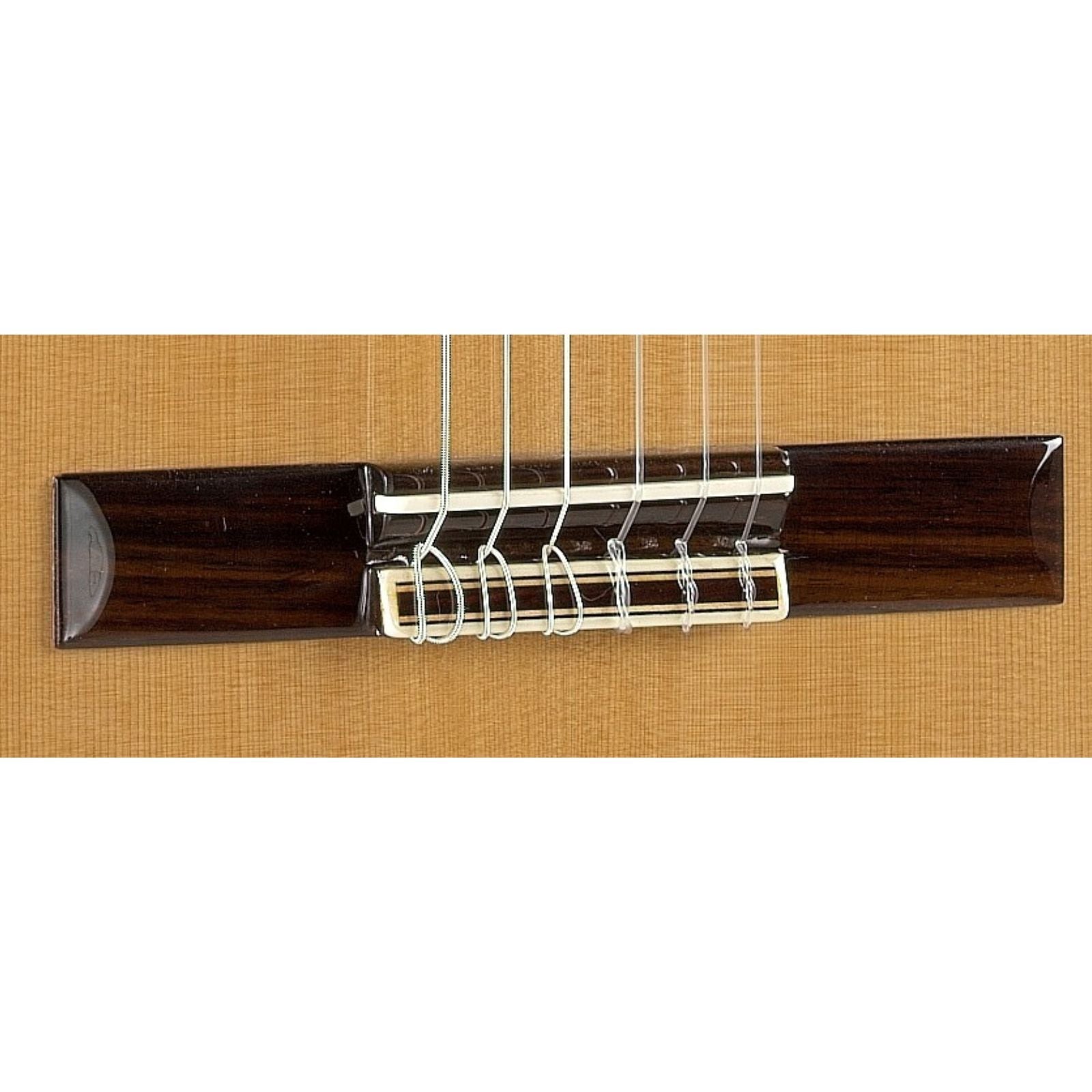
| Fretboard | Rosewood | Ebony (Diospyros Crassiflora) | Extreme hardness against continuous fret friction from daily study. |
| Neck | Samanguila | Samanguila | Torsional stability and optimal maintenance of string action. |
The 4 Technical Pillars Justifying the Choice of the 4P
1. The Ebony Fretboard: Resistance to Intensive Study
Unlike softer woods used in lower ranges, the ebony on the 4P fretboard withstands constant finger attacks and prolonged barre chords without deformation or deep grooves. For a professional grade student, this translates into a stable string action and a clean plucking technique throughout years of academic demand.
2. Indian Rosewood and Dynamic Response
Intermediate level repertoire (pieces by Tárrega, Sor, Villa-Lobos, or Brouwer) demands complex timbre nuances. Moving from sapele to Indian Rosewood for the back and sides provides the instrument with a broader harmonic spectrum, allowing the student to work with precision on sound projection and tone color.
3. Traditional Construction: The Spanish Heel
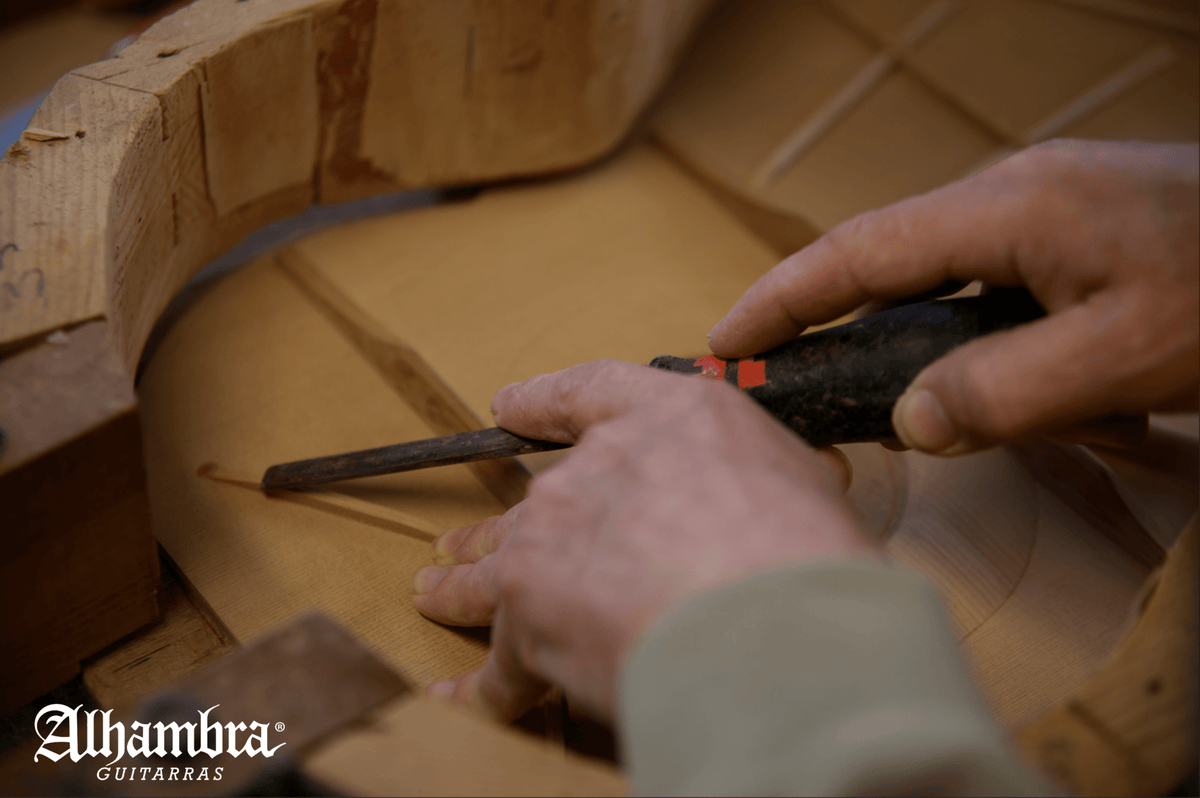
Built in the artisan workshop of Manufacturas Alhambra in Muro de Alcoy (Alicante), our guitars integrate the Spanish heel system. This single-piece assembly from the neck to the interior of the body prevents acoustic energy loss, ensuring the sustain and structural stability required by evaluation boards in examination trials.
4. Soundboard Selection: Cedar or German Spruce?
Although the standard configuration prioritizes Solid "AA" Cedar for its immediate warmth and rapid attack response, the availability of the German Spruce version (Alhambra 4P A) offers an alternative for students seeking greater initial brightness and a wider harmonic evolution as the wood matures over years of performance.
Audio Test and Acoustic Response
Fine wood needs to be evaluated under real conditions, without commercial filters. If you prefer listening to it rather than watching, you can play the direct sound test recorded with the Alhambra 4P here. Close your eyes and enjoy!
Need Personalized Advice for the Conservatory?
If you have questions about choosing the scale length (650 mm standard or other options), tension hardness, or stock availability in your area,