What Is a Lute? Meaning, History, Types & Differences
The lute is one of the most iconic and historically rich string instruments in world music. Instantly recognizable for its deep, rounded back and pear-shaped body, the lute has played a central role in the development of Western and Middle Eastern music, especially during the Renaissance and Baroque periods.
What is a lute?
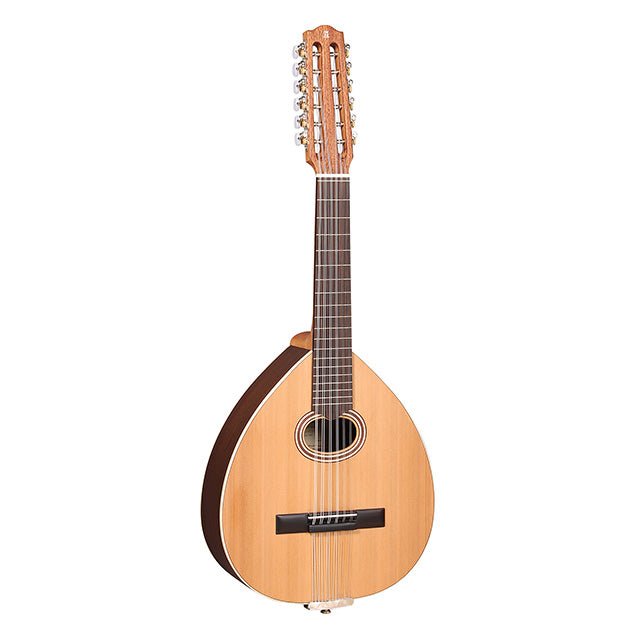
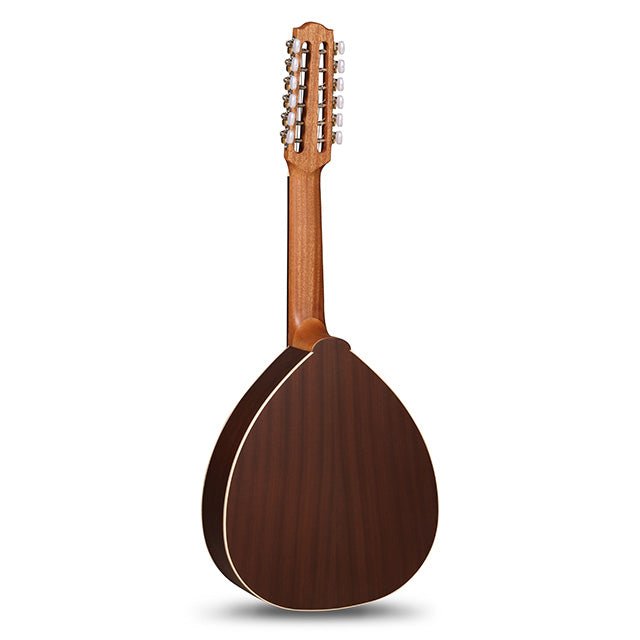
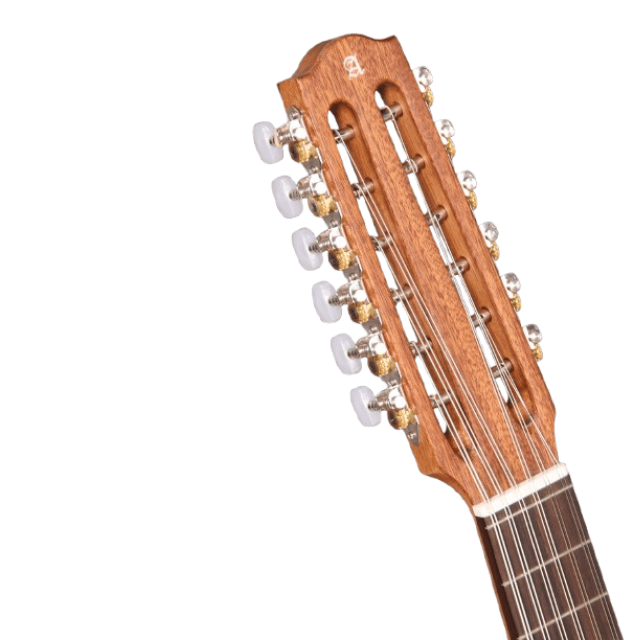
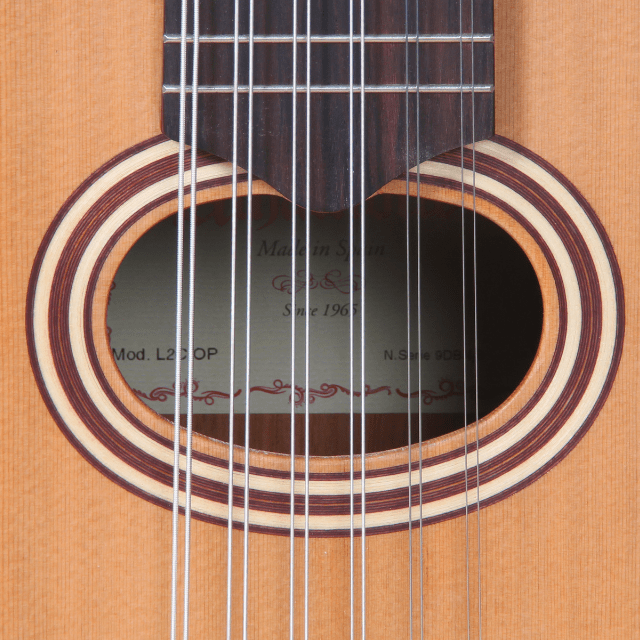
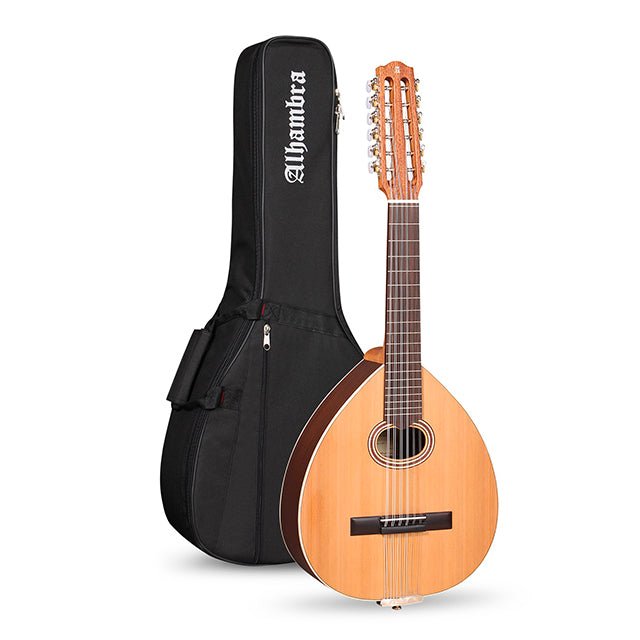
A lute is a plucked string instrument with a neck, a deep, rounded back (often made from strips of wood), a flat top with a sound hole (often decorated with a carved rosette), and a pegbox that typically bends backward. The strings run parallel to the soundboard and are plucked with the fingers or, in earlier times, with a plectrum. The instrument is held horizontally and played by pressing the strings with one hand and plucking them with the other.
History of the lute
The ancestry of the lute goes back thousands of years. Its earliest forms appeared in ancient Mesopotamia around 3100 BC, spreading through the Middle East, North Africa, and eventually into Europe via Spain and the Crusades. The European lute as we know it was heavily influenced by the Arabic "ʿūd", introduced into Spain by the Moors in the 13th century.
During the Renaissance, the lute became the most popular instrument in Europe, central to both court and popular music. It evolved in design and technique, adding more strings and moving from plectrum to fingerstyle playing. Lute music flourished in the hands of composers such as John Dowland and Silvius Leopold Weiss, and the instrument remained essential until the late Baroque period, when it was gradually replaced by the guitar and keyboard instruments.

Types of lute:
There are several types of lutes, each with unique characteristics and historical contexts:
- Renaissance lute: Usually has six to twelve courses (pairs) of gut strings and is known for its delicate, intimate tone. Ideal for polyphonic music and solo repertoire.
- Baroque lute: Developed in the 17th century, often with fourteen or more courses, extending the bass range for richer harmonies. Preferred in court music and complex compositions.
- Theorbo: A large lute with an extended neck and deep bass, used for basso continuo in orchestras and opera.
- Other variants: The lute family includes instruments such as the archlute, mandora, and various regional adaptations across Europe, Asia, and the Middle East.
How many strings does a lute have?
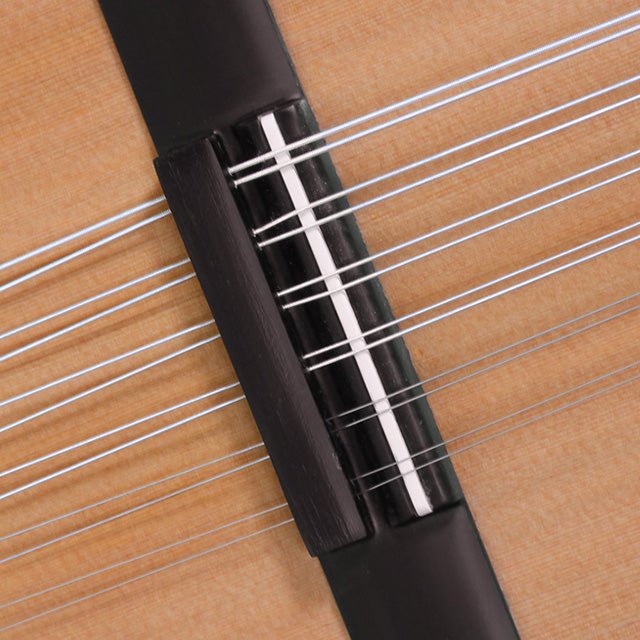
The number of strings (or courses) on a lute varies widely depending on the era and type. Early lutes had four single strings, but by the Renaissance, six courses (pairs of strings) were standard, and Baroque lutes could have fourteen or more courses. Each course is usually tuned in unison or octaves, and the instrument’s tuning and stringing evolved to suit new musical styles.
Differences between lute, lyre, guitar, oud, and mandolin
- Lute vs Lyre: The lyre is an ancient instrument with a yoke and open frame, producing a soft, harp-like sound. The lute, by contrast, has a neck and a closed, rounded body, offering a brighter, more resonant tone suitable for complex melodies and harmonies.
- Lute vs Guitar: Guitars have a flat back, a more angular body, and typically six strings tuned in standard intervals. Lutes have a rounded back, a shorter scale, more strings (often in pairs), and a different tuning system. The guitar is louder and more versatile in modern genres, while the lute produces a softer, more intimate sound ideal for early music.
- Lute vs Oud: The oud is a fretless, short-necked, pear-shaped instrument from the Middle East, considered the ancestor of the European lute. The oud has a warmer, more melancholic tone, while the lute is brighter and has frets for precise tuning.
- Lute vs Mandolin: The mandolin is smaller, with a teardrop shape and metal strings, played with a plectrum. The lute is larger, uses gut strings, and is played fingerstyle or with a feather quill.

Playing and musical role
The lute is played by plucking the strings with the fingers (or with a plectrum in earlier times) and pressing the notes with the other hand. Its repertoire includes solo works, accompaniment for singers, and ensemble music, especially from the Renaissance and Baroque periods. Lute music is often written in tablature, a system that indicates finger positions rather than notes.
The legacy of the lute
The influence of the lute is still alive today, not only in early music ensembles but also in the design of modern string instruments. Its expressiveness, historical depth, and unique timbre continue to captivate musicians and listeners.
If you are interested in exploring other traditional Spanish instruments, you can discover more about the Spanish lute in the Alhambra traditional instrument collection. If you want to understand how the guitar evolved from the lute, read about the history of the classical guitar.