Article: Best 3/4 Guitars: The Definitive Technical Guide to Choosing the Right Junior Guitar
Best 3/4 Guitars: The Definitive Technical Guide to Choosing the Right Junior Guitar

Searching for the best 3/4 guitars often ends in frustration when the only reference you find is an approximate age range. A child's height, arm length, and intended academic level matter far more than a simple number.
In this guide, we break down real measurements, key tonewoods, and the models that truly deliver on their technical specifications.
What is a 3/4 guitar?
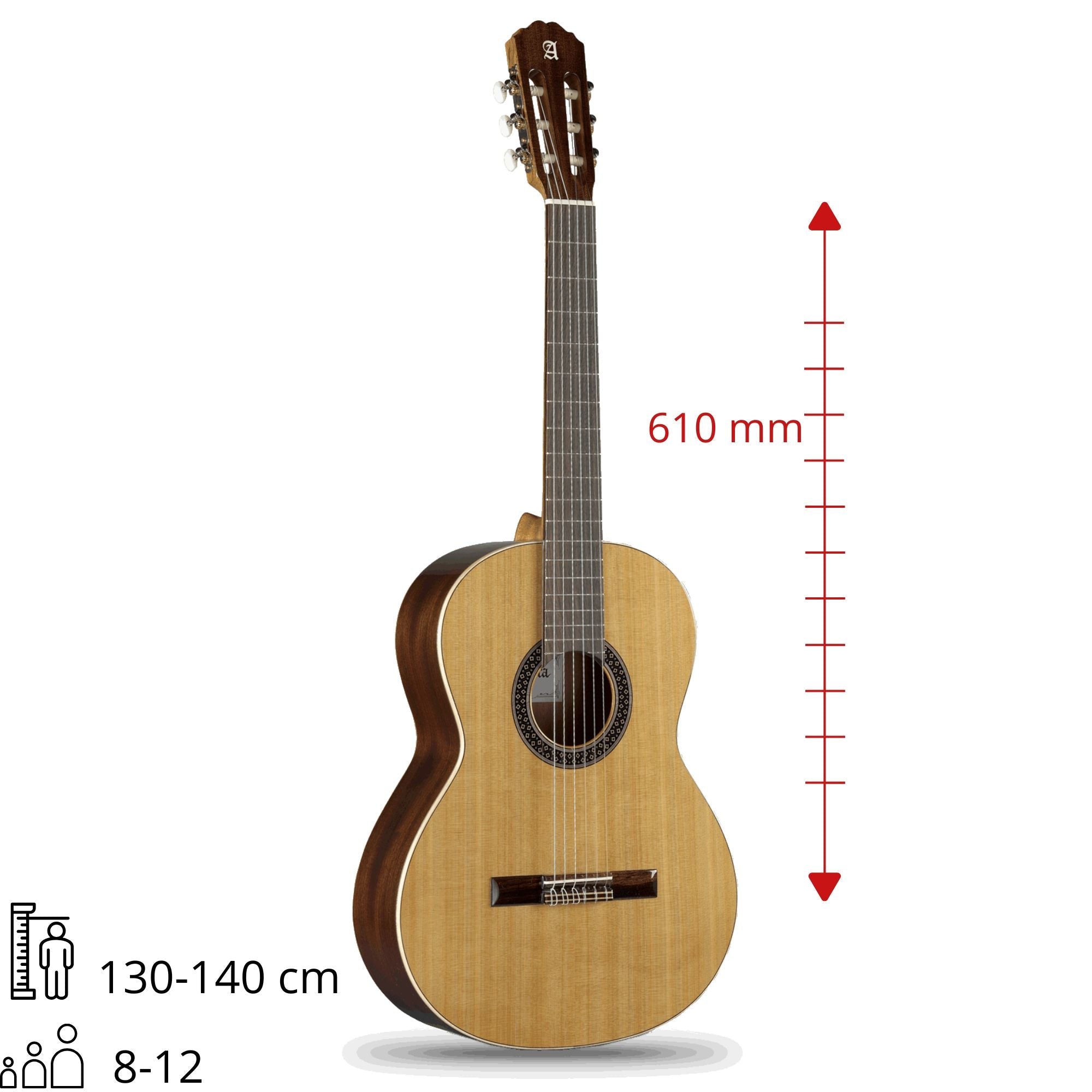
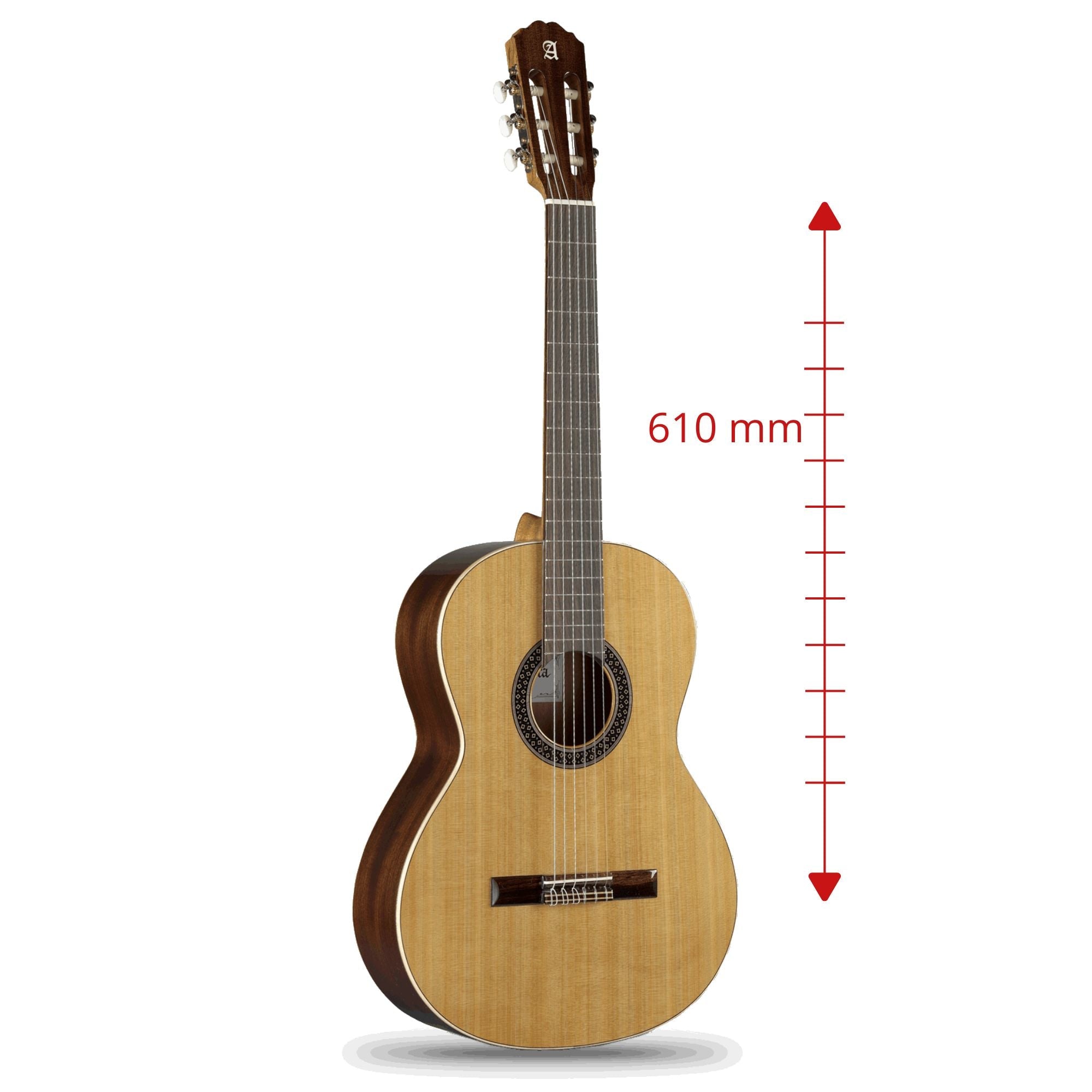
The 3/4 designation does not equal a mathematical 75% of a full-size instrument. In lutherie, a full-size classical guitar has a scale length (the vibrating distance of the string) of 650 mm. A 3/4 guitar reduces that measurement to a range between 570 mm and 615 mm, which actually represents between 89% and 93% of the original.
This distinction matters because it directly affects string tension and, consequently, how the guitar feels under a beginner's fingers.
-
Scale length and nut width: the nut width is also recalibrated. A standard 4/4 classical sits around 52 mm, whereas 3/4 nylon-string guitars drop to a 45–48 mm range, making it easier for smaller hands to span the neck without straining the wrist.
-
The age myth: a child measuring 140 cm with shorter arms might need a 580 mm scale length, while another child of the same height with longer arms will play more comfortably on a 600–610 mm scale. This is precisely where a height-to-scale reference chart prevents costly mistakes, and it is the kind of guidance we provide when advising on our cadet guitar collection.
The best 3/4 guitars on the market (2026–2027)
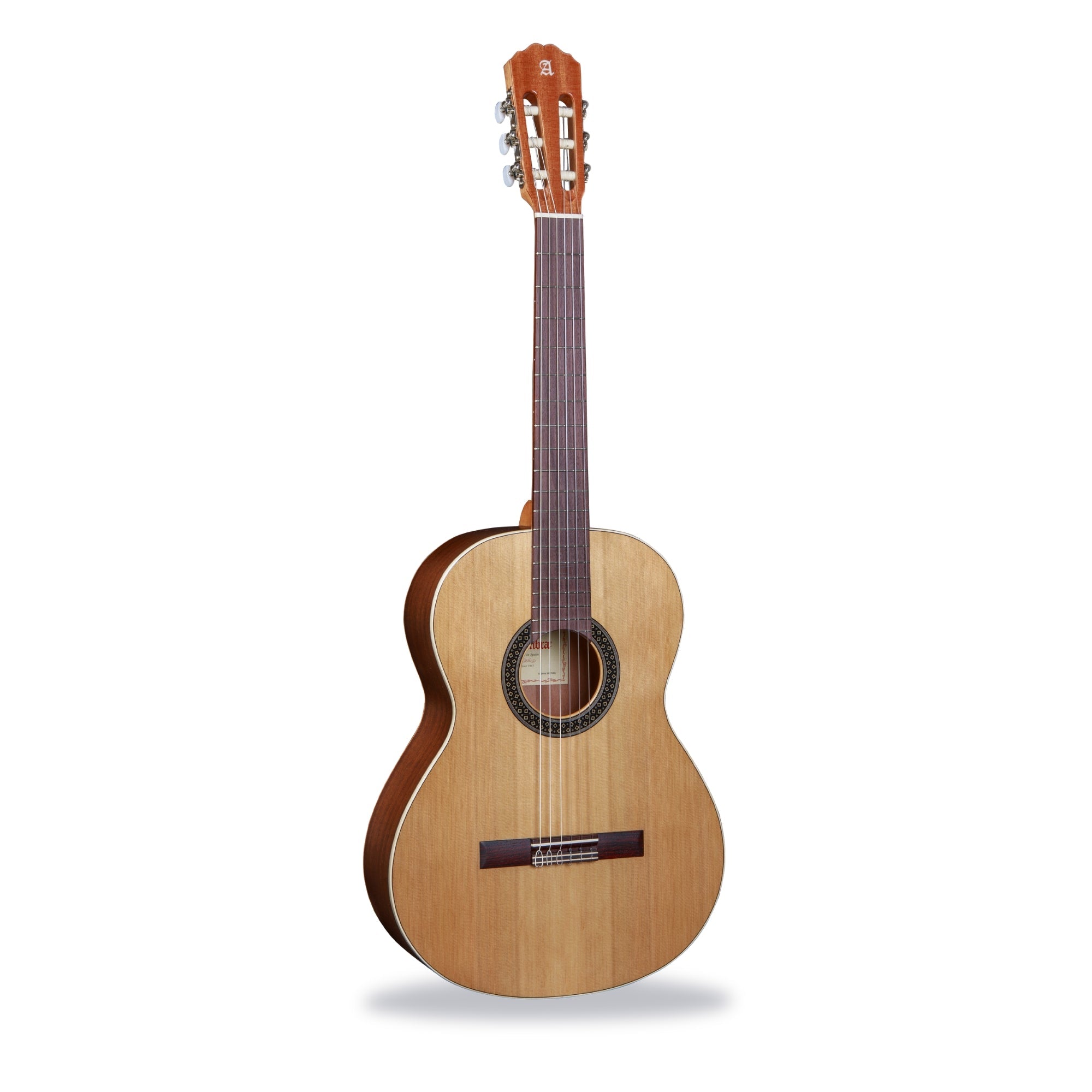
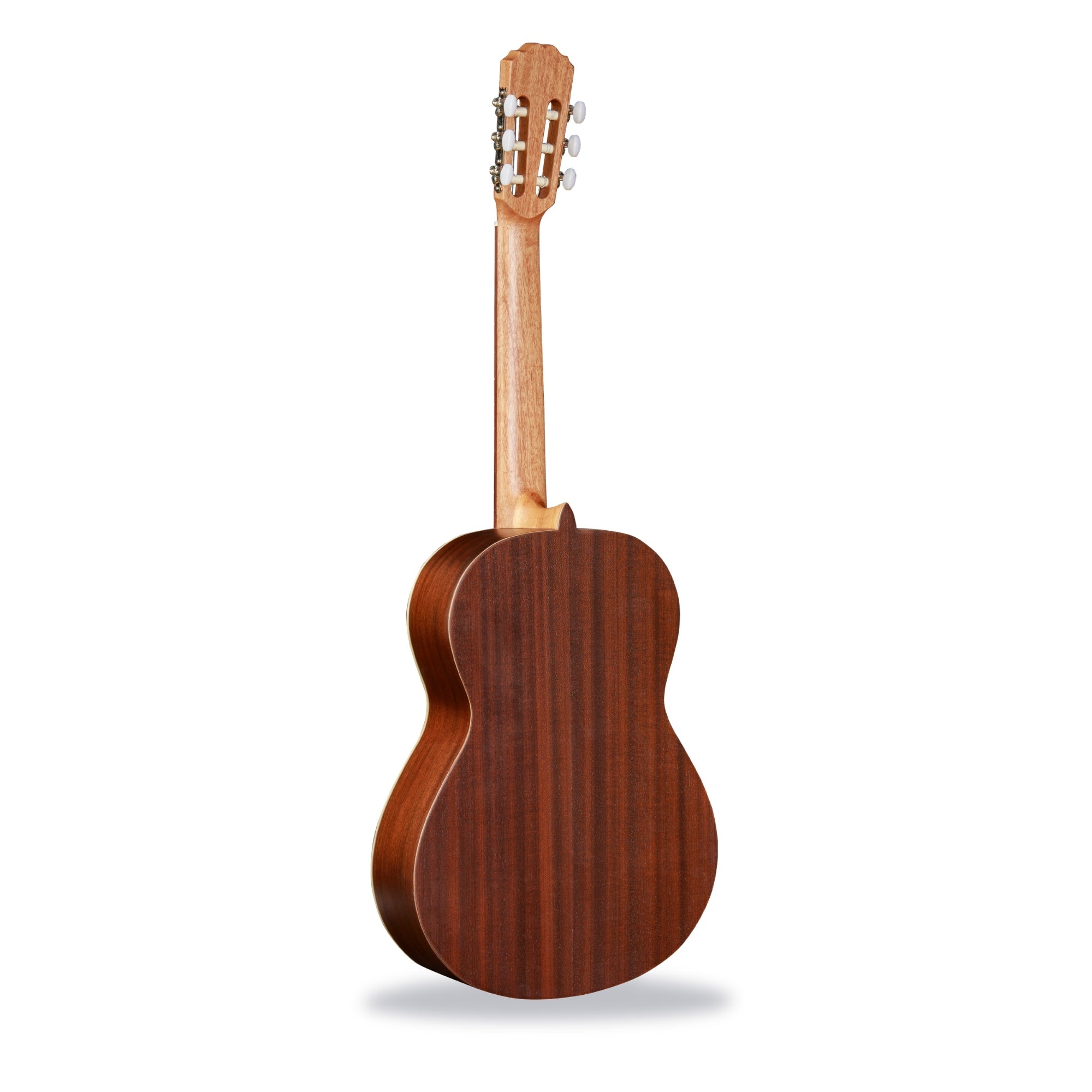
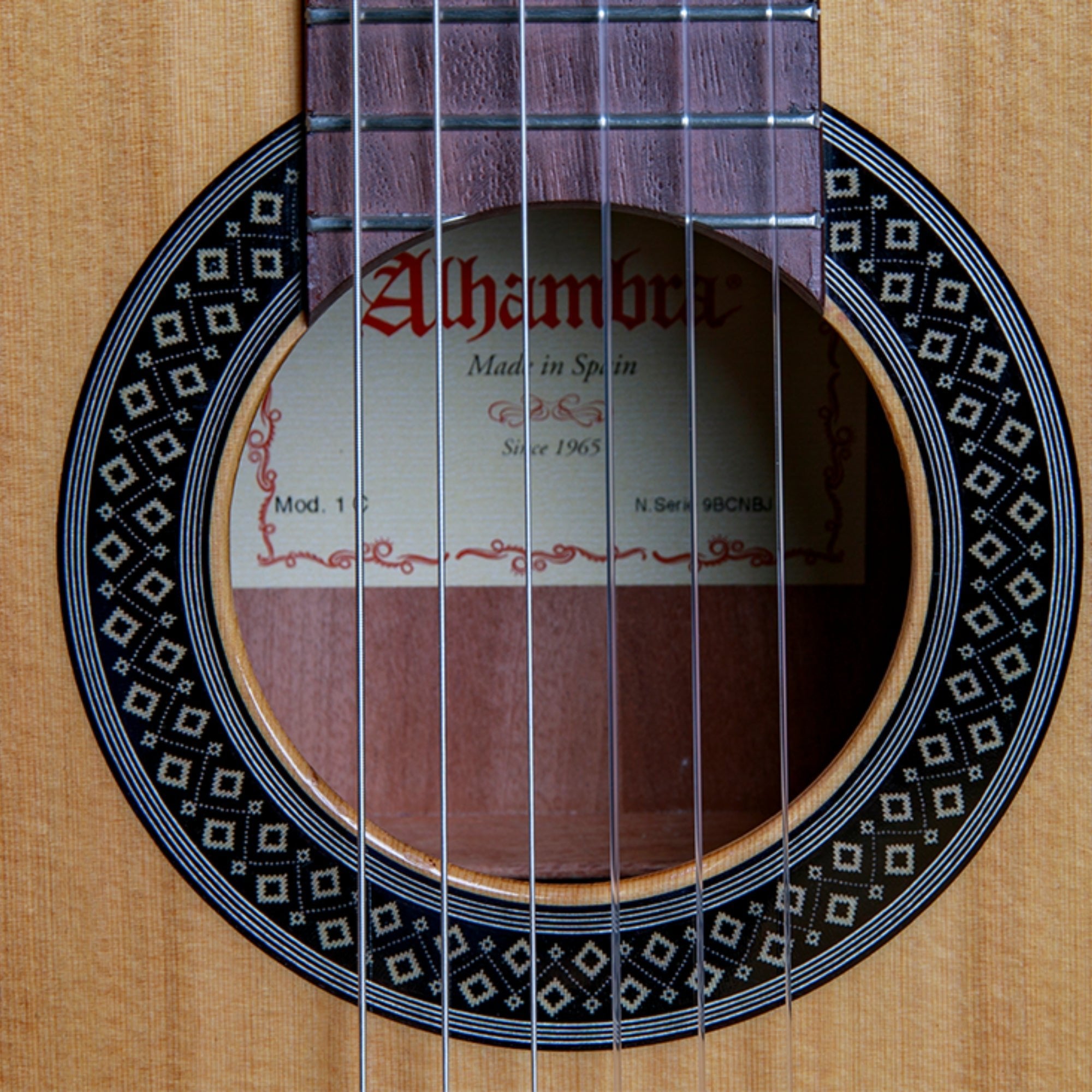
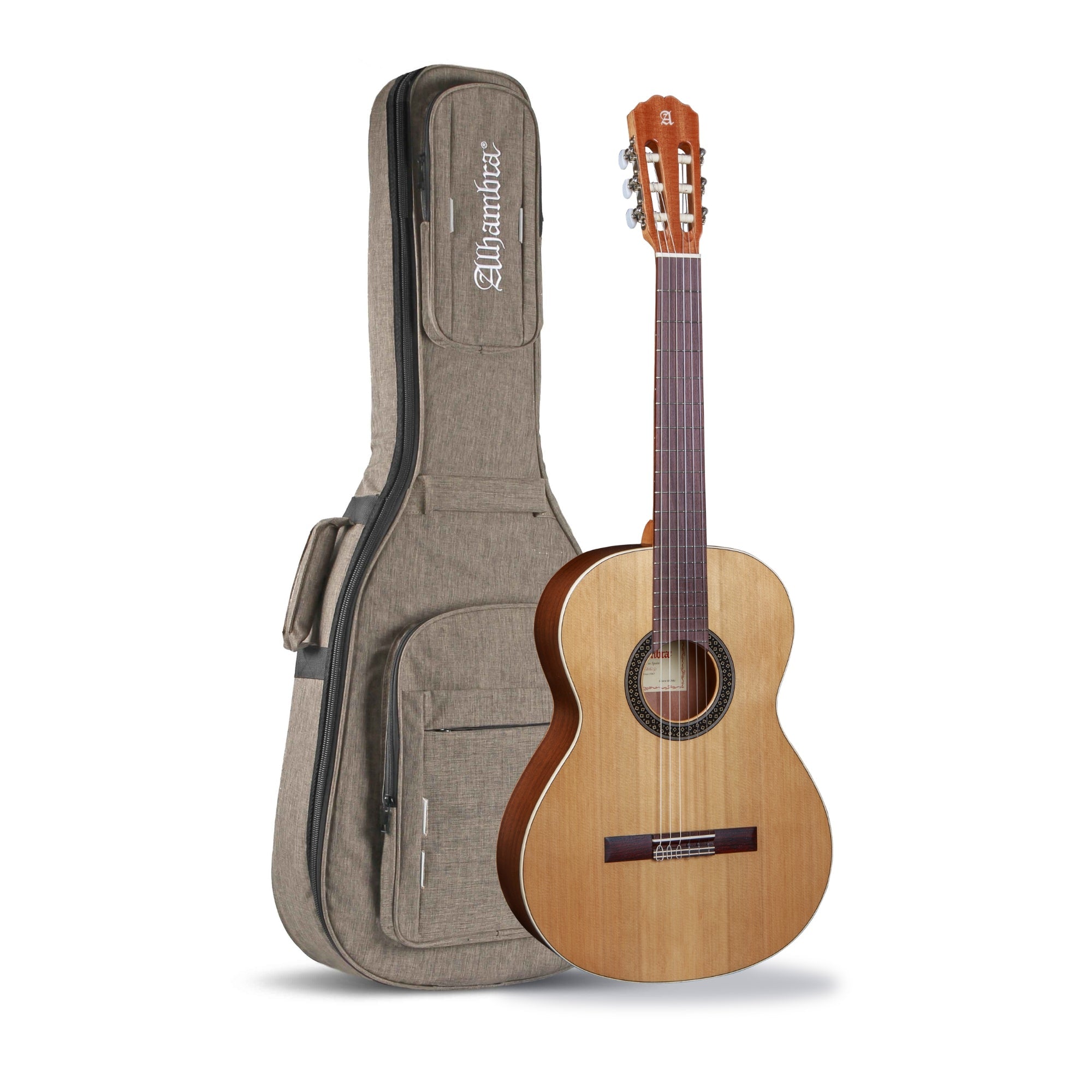
1. Alhambra Cadete 1 C HT 3/4: the best starter option
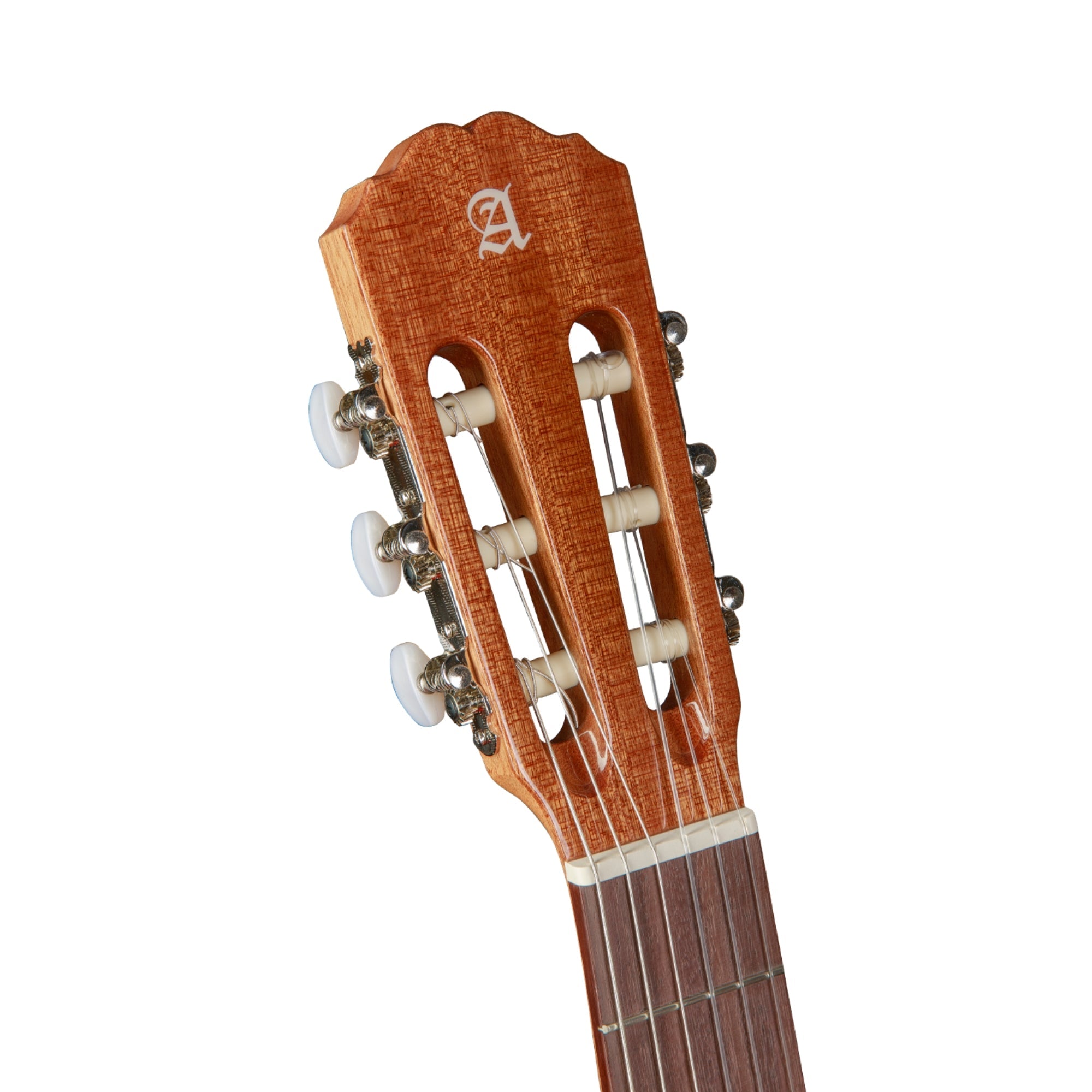
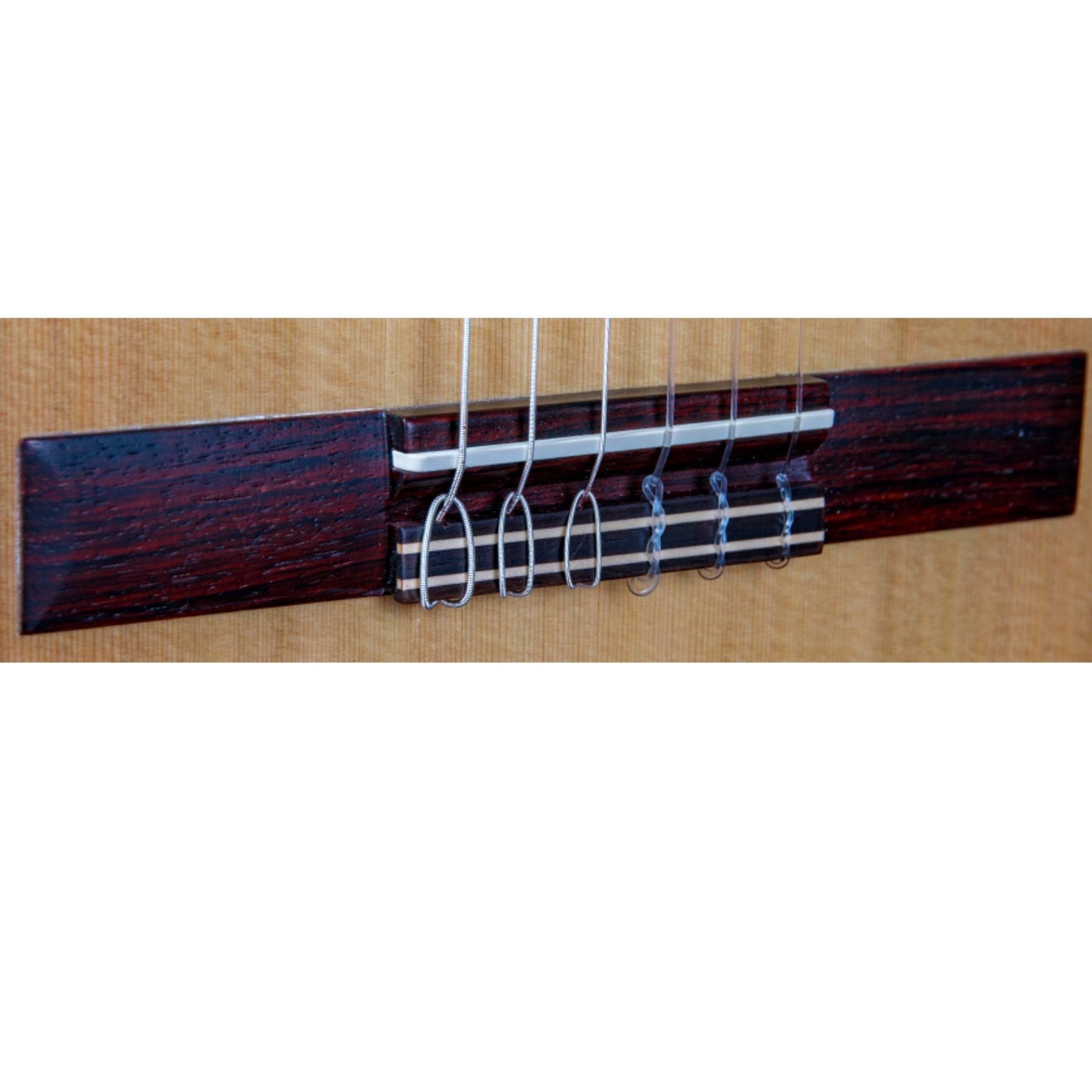
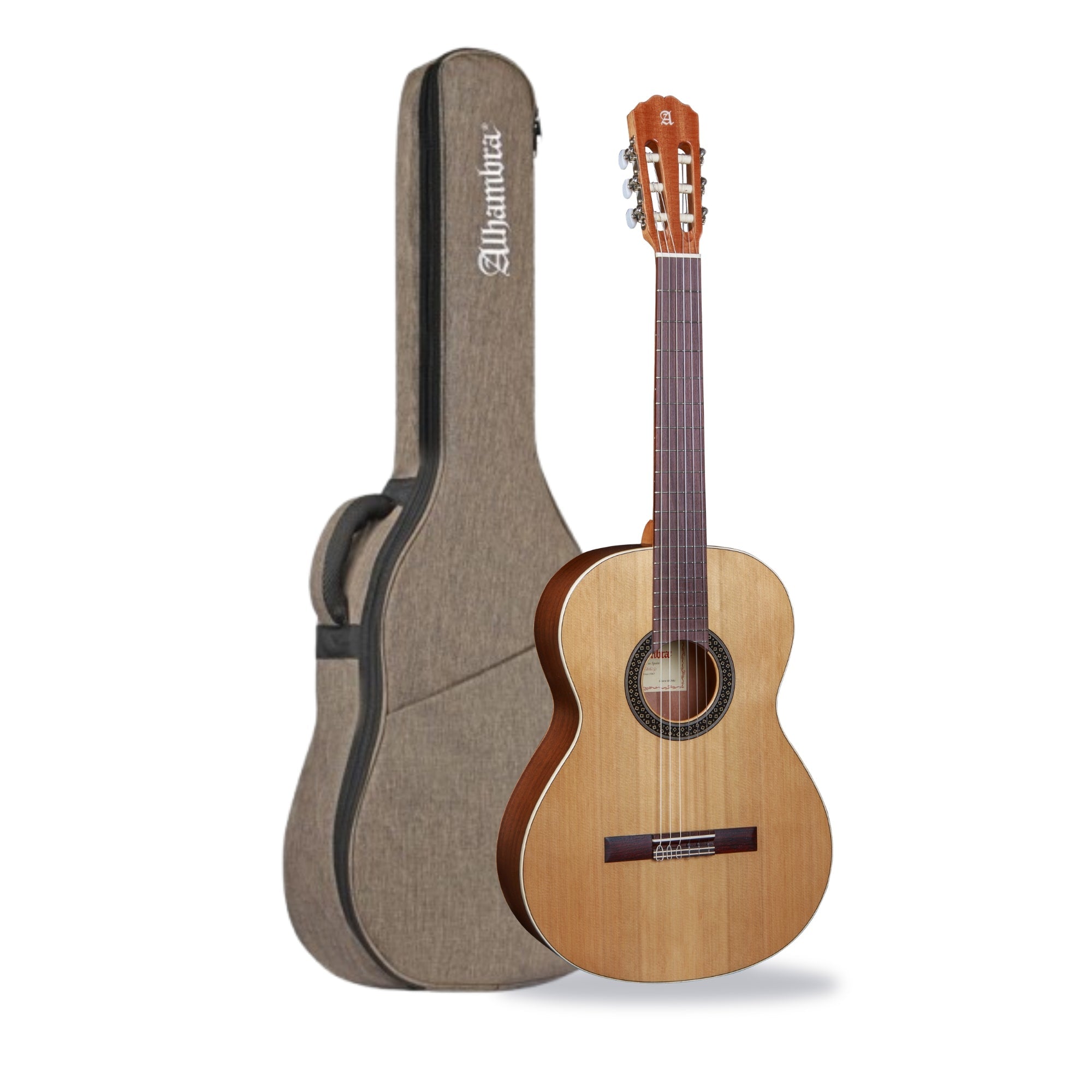
The Alhambra 1C HT 3/4 guitar features a solid cedar top with sapelli back and sides. It incorporates the traditional Spanish heel joint, a construction method that enhances vibration transfer throughout the instrument's entire body.
It is our recommended benchmark when a student is embarking on their guitar journey and needs an instrument that allows for comfortable learning.
-
Solid cedar top, non-laminated.
-
Classical 3 internal bracing for increased sustain.
-
High-density Indian rosewood fingerboard.
-
Fingerboard marker dots.
-
100% Made in Spain since 1965.

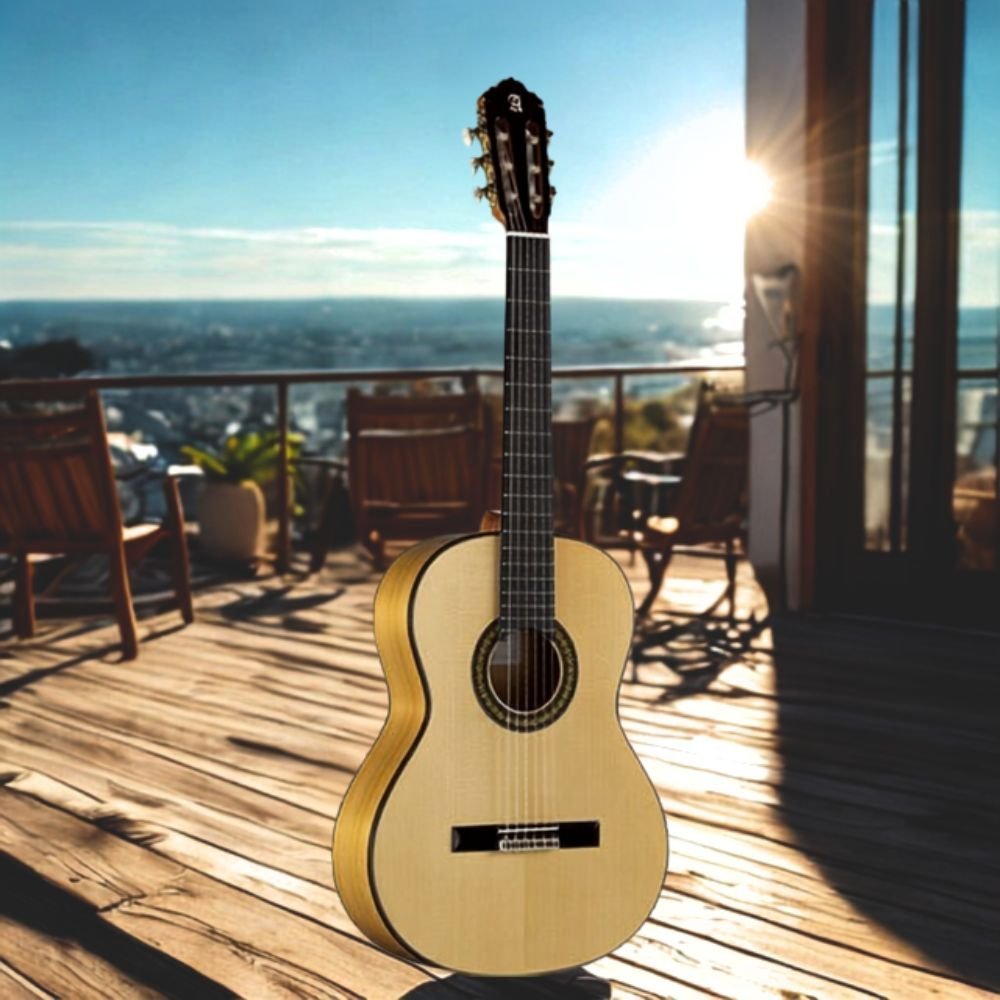
2. Alhambra Cadete 3 C 3/4: the balance for progressing students
Featuring a solid red cedar top and sapelli sides, the Alhambra 3C 3/4 guitar offers greater harmonic richness despite its compact body size.
It is designed for students who are no longer just beginning, but looking for genuine projection in class or elementary-level recitals.
-
Solid cedar top with clear treble response.
-
2 rosewood bindings.
-
Rosewood fingerboard, built for daily practice.
-
Fingerboard marker dots.
-
100% Made in Spain since 1965.

Classical, acoustic, or short-scale electric guitar?
One of the most frequent mistakes we see as experts is gifting a steel-string acoustic to a complete beginner. Steel cuts and causes pain on fingertips that haven't developed calluses yet—a leading factor in quitting documented by conservatory teachers.
For beginner learning and formal music education, nylon strings are non-negotiable. Short-scale acoustics or electrics (24 inches) have their place, but as a second instrument—not as a primary introduction.
Frequently Asked Questions - FAQs
What is the actual difference in centimeters between a 3/4 guitar and a full-size 4/4 guitar?
The scale length goes from 650 mm (4/4) down to a 570–615 mm range (3/4), a reduction of roughly 3.5 to 8 cm. The total length of the instrument drops from around 100 cm to approximately 90–92 cm.
How does a shorter scale length affect string tension and tone quality?
A shorter scale requires less tension to tune to standard pitch. The result is a softer feel under the fingers but a slightly thicker, warmer tone with less bass projection than a 4/4 guitar.
What technical specs must a 3/4 guitar meet to be suitable for conservatory studies?
It requires a solid cedar or spruce top, tone-quality back and sides like sapelli or mahogany, a rosewood fingerboard, and traditional Spanish heel construction. Laminated tops are ruled out for formal academic study.
Why is it recommended to use higher gauge strings on short-scale guitars to avoid fret buzz?
A short scale reduces natural string tension, which can lead to buzzing against the frets. Switching to medium-tension, high-tension, or hard-tension strings restores the firmness required for clean playback.

The right scale: the decision that defines the first years of study
As we have seen across every measurement and tonewood analyzed, choosing the right 3/4 guitar isn't about matching an age on an ID card, but rather finding the right balance between height, arm length, and musical requirements.
If you want to solve that equation with solid specifications and handcrafted quality since 1965, our Alhambra 1C HT 3/4 guitar is a great starting point to compare options before making a decision.