Skip to content

Cart

Your cart is empty

Subscribe to our Newsletter

By joining our community, you will receive stories with soul, latest updates before anyone else, and a glimpse into the daily life of a workshop with over six decades of history.

Article: It's not all about playing the guitar: the origins of the lute

It's not all about playing the guitar: the origins of the lute

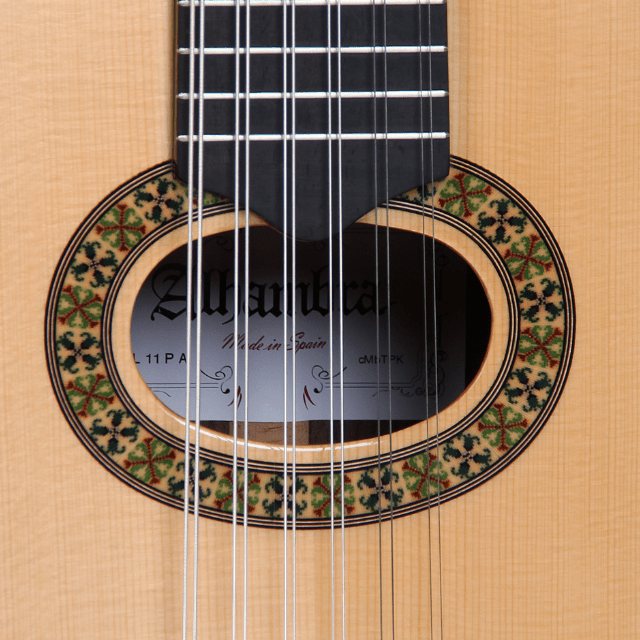
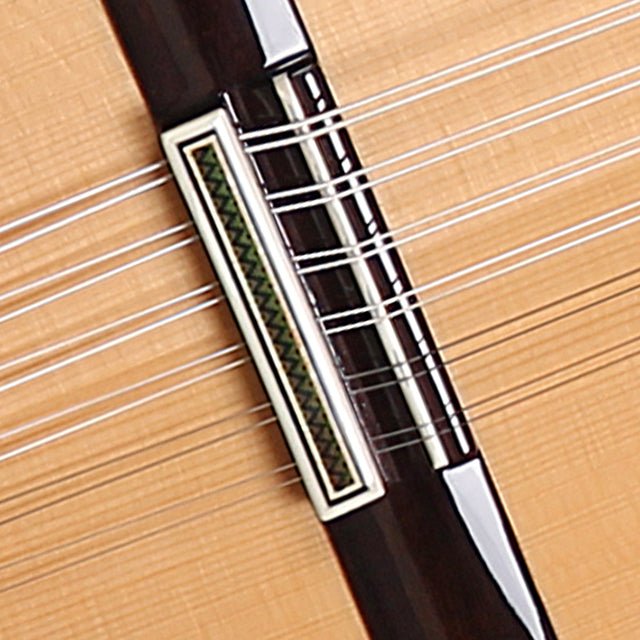
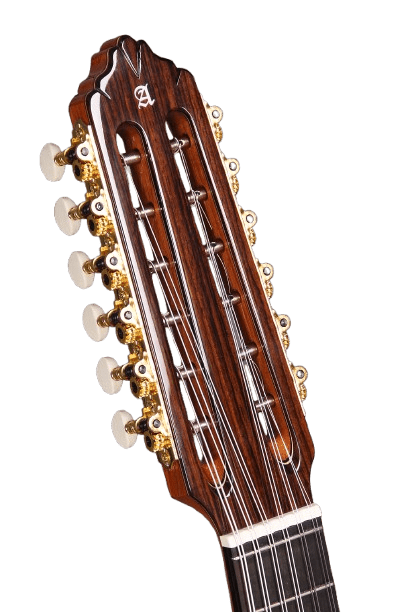
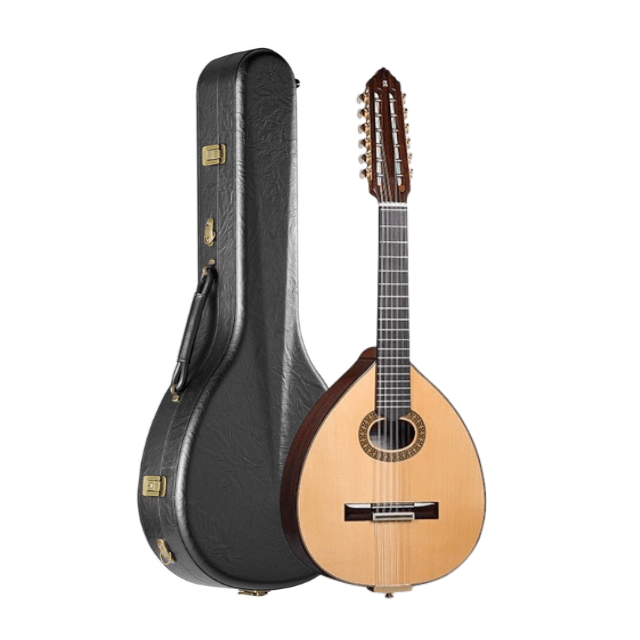
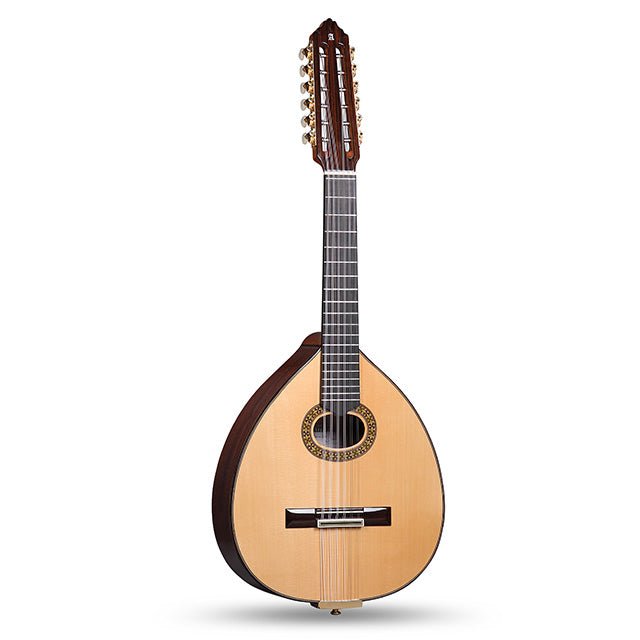
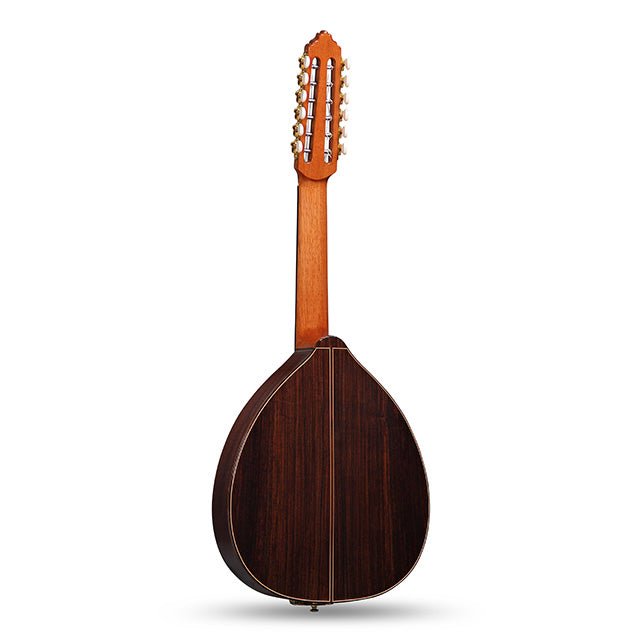
Guitar music enthusiasts, especially classical guitarists, are surely familiar with an instrument that, while not among the most widely used today, holds exceptional historical importance. This is the lute, which enjoys a certain romantic resonance due to its association with medieval troubadours. But what is the origin of the lute? The popular image of wandering musicians who traveled the lands of Christendom to entertain those willing to enjoy the spectacle is not inaccurate. However, this instrument was not actually born in the Christian world, but in the Muslim world. Indeed, the name itself comes from the Arabic al-`ū d, referring to the wood from which it was made. The instrument is already documented in 7th-century Arabia, when it had four strings and was used for vocal accompaniment. Throughout these centuries of Islamic expansion, significant improvements were made in both manufacturing and playing techniques, which were constantly evolving. In 9th-century Andalusian Córdoba, a revolutionary leap forward was achieved thanks to the musician Ziryab, who is credited with introducing a fifth string. With him, such a level of melodic refinement was achieved that the lute transcended its mere accompaniment function. It was precisely in Al-Andalus where this instrument first made its debut on the European continent, although it would also gradually appear in other places where cultural exchange could take place. The lute became very popular in Europe from the late Middle Ages onwards and, until the 18th century, it could be considered the king of instruments, with even greater popularity than the Spanish guitar enjoys today. The works of John Dowland during the Renaissance, and those of Silvius Leopold Weiss, Robert de Visé, and J.S. Bach himself during the Baroque period are widely known. Although guitar playing is more prevalent today, reminiscences of those times can still be seen in some university tunas and string and plectrum groups. At Guitarras Alhambra, we constantly work on the evolution and improvement of guitars and other string instruments, including the lute. An instrument handcrafted with an appropriate selection of woods, which creates a quality instrument with a traditional sound.
Are you still hungry for more?

KEEP READING

La música para guitarra potencia el bienestar - Alhambra Guitarras
Beneficios de la guitarra

Guitar music enhances well-being

Music has very positive benefits for mood, as demonstrated by the power of music therapy. Classical and Spanish guitars are resources used in this setting.

Read more
Narciso Yepes, un gran intérprete de la guitarra española - Alhambra Guitarras
guitarra española

Narciso Yepes, a great interpreter of the Spanish guitar

Narciso Yepes was a concert artist and composer of music for the Spanish guitar, considered one of the most virtuoso performers of the classical guitar.

Read more

Blogbeiträge

¿Cómo elegir el sonido de tu guitarra? Guía para encontrar tu timbre perfecto - Alhambra Guitarras
artesanía

How to Choose Your Guitar Tone: A Guide to Finding Your Perfect Sound

Choosing the sound of your guitar is as much an acoustic decision as an emotional one. In this guide, we show you how to evaluate tone, projection, and sustain through the selection of fine tonewoo...

Read more
alhambra guitarras feat. master Hiroshi playing his Alhambra Guitar in Alcoy
guitarras profesionales

The Best Classical Guitars for Professionals: Excellence and Master Craftsmanship

Finding the perfect professional classical guitar is a crucial decision for any concert artist or soloist. Discover what defines a high-end instrument, from the selection of fine tonewoods to innov...

Read more
Mejores guitarras 3/4: la guía técnica definitiva para acertar con la cadete - Alhambra Guitarras
3/4

Best 3/4 Guitars: The Definitive Technical Guide to Choosing the Right Junior Guitar

Discover how to choose the best 3/4 guitars in 2026–2027. We break down real measurements, key materials like solid tops, and top models like Alhambra Cadete so you can make the right choice based ...

Read more
Las Mejores Guitarras Flamencas: Guía de compra recomendada - Alhambra Guitarras
flamenca

The Best Flamenco Guitars: Recommended Buying Guide

Buying a guitar that’s either above or below your actual level not only strains your budget, but also holds back your technical progress. From the narrow body and low action (2.5–3.0 mm) to the cru...

Read more
¿Cuáles son las diferencias entre una guitarra clásica y una guitarra flamenca? - Alhambra Guitarras
clasica

What Are the Differences Between a Classical Guitar and a Flamenco Guitar?

The difference between a classical guitar and a flamenco guitar lies not in their appearance, but in the physics of sound and the architecture of the instrument. Whilst the classical guitar optimis...

Read more
10 diferencias entre guitarras diestras y guitarras zurdas - Alhambra Guitarras
diestra

10 differences between right-handed and left-handed guitars

Did you know that a left-handed guitar isn't just a right-handed guitar turned upside down? Discover the real differences in the nut, internal bracing, and bridge.

Read more
hombre con acustica alhambra
acústicas

Types of acoustic guitars and how they differ

Discover the different types of acoustic guitars (Dreadnought, Concert, Parlor, Jumbo). Learn about their shapes, sounds, strings, and how to choose the right one for you.

Read more
Guitarra clásica vs guitarra acústica: ¿cuáles son sus diferencias y cuál elegir? - Alhambra Guitarras
acústicas

Classical guitar vs acoustic guitar: what are the differences and which one should you choose?

Classical or acoustic guitar? We compare nylon vs. steel strings, tension, and neck width to help you make the best buying decision.

Read more
Mejores guitarras clásicas calidad-precio: 500, 1.000 y 2.000 euros - Alhambra Guitarras
alhambra guitarras

Best value-for-money classical guitars: 500, 1000, and 2000 euros

Buyer's guide to the best classical and Spanish guitars by price range: from 500 to 2,000 euros. Find the ideal model for your level!

Read more